
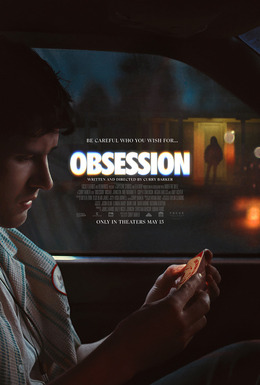
Everyone will tell you to go watch Obsession, and if you haven’t, you’re treated like a leper or a poor. So you should probably go watch Obsession. It’s good. It’s scary, too. Great message. Some people will talk about Obsession and Backrooms in the same breath. Sometimes the same article. Sometimes the same movie review. Not me. I’m not gonna compare the two movies. Go watch Obsession. I’ll write a review but I won’t compare Obsession to anything.
Comparing Obsession
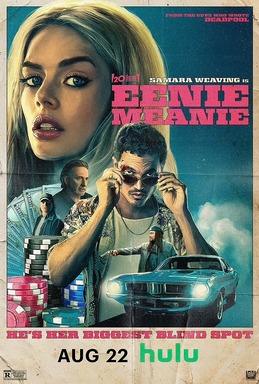
Hey you guys remember that one movie Don’t Worry Darling with Florence Pugh and Olivia Wilde and Harry Styles? Also do you guys remember that one movie Companion with Sophie Thatcher and Jack Quaid? Let’s compare and contrast these films!
In all three films, the female lead is subjugated in some way by a chud evil boyfriend who is in some way or another sexually assaulting and gaslighting the girl. Eventually, the protagonist finds a way to break free of the sci-fi or fantasy induced enslavement and the evil boyfriend gets his comeuppance. I’m not complaining that this was done yet a third time, nor am I saying that any of these films are any worse off because they’re so similar in theme and plot. In fact, I think it’s fantastic to have such similar films approaching the same subject in three different ways.
I haven’t written and/or published a review for Companion or Don’t Worry Darling even though I really liked both films in a vacuum. They were released far apart enough that the similarities didn’t strike me until just now. It’s kind of like when you watch the 1978 Superman and Superman II, and then for some stupid reason decide to watch Man of Steel of all things, and realize that Superman + Superman II are basically just Man of Steel and maybe you shouldn’t have shit on Zack Snyder so much.
I’m just fucking with you.
In retrospect, I find that I have more of a memory and emotional reaction when thinking of Don’t Worry Darling than Companion, and I think that’s interesting because people tended to like the latter far more than the former. Maybe Darling suffered from the controversies or maybe people didn’t like that they made Harry Styles look like a little freak at the end. Perhaps they weren’t as open to the twist, or maybe there was too much random shit happening in the middle of the movie that didn’t really leave an impression. But you cannot deny the visuals and the sheer style of the film. Pun intended, fuck you, signed, 85scenes.
With Companion, the message of the film was far more evident, and the twist that Sophie Thatcher plays a robot lady was revealed early on (but only if you didn’t watch any trailers). After that, though, if I asked you what happens in the movie in the time between Thatcher getting attacked at the lake by the Russian guy and the end when she drives off and waves at another companion Thatcher, what would you tell me? Would you believe me if I said there was a fat gay guy with a murder boyfriend, a plot to steal millions of dollars, and a Jack Quaid? I mean. What even happens? The blunt delivery of the theme forces the rest of the film to tread indefinitely while waiting for the runtime to come to an end.
This is where Obsession manages to exceed the two predecessors in audience acceptance and thematic completeness. While the idea that the girl is under subjugation is revealed relatively early on, the subjugation isn’t the point. I think people enjoyed and appreciated the subtle ways that the shit boyfriend revealed himself to a creepy, cowardly, selfish little cockle. At every opportunity to do the right thing, he did not. At every reveal that the girl was not just being manipulated, but had in fact been replaced entirely, he chose to find a way to keep himself happy.
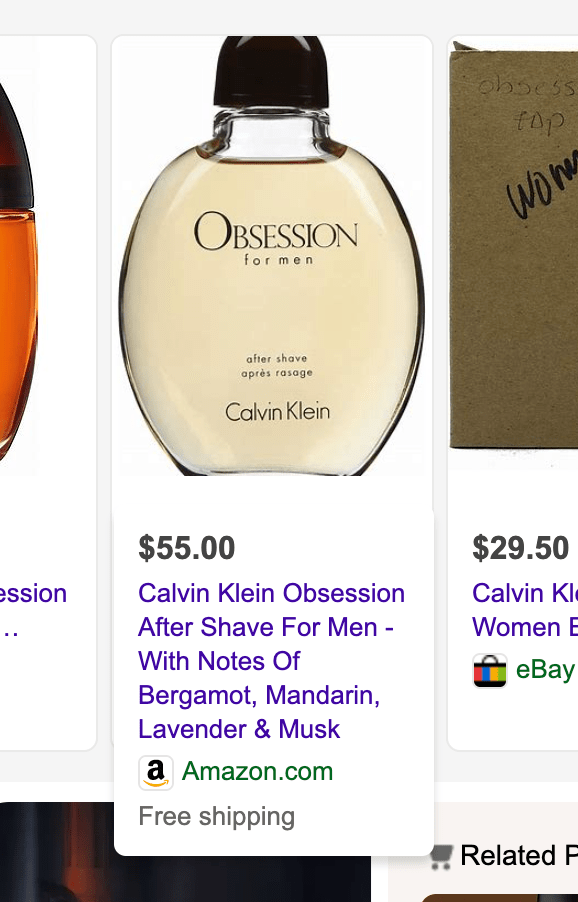
Rather than focusing on the female character and her fight for independence, Obsession never insulted its audience by never truly understanding that that’s not the part of domestic abuse that’s scary.
Contrasting Obsession
In all three films, the metaphor of sci-fi hypnosis or robot girlfriend or magic wish stick is an avenue to explore the concept of domestic abuse.
Companion got heavy handed in its physical violence parallels (again, pun intended, fuck you, signed, with love, 85scenes). At that point, I think we lose the entire message, and we’re stuck in the abuse rather than exploring how that abuse affects people or how it manifests in behaviors.
Darling went the other way, and the allegory was so deep and so full of red herrings that you’re left frustrated. It leaves you wondering if the sci-fi eye hypnosis gadget reality reveal was just for shock factor. I mean it probably was, but I think that if there was a little less catty drama and a little more ‘what the fuck is this dude’s fucking problem?!’ then we would have been less harangued by that film.
Obsession solves both issues: it doesn’t faff about trying to trick us about the metaphor, it doesn’t lose its focus with unnecessary b-plots, and the conditions that the enslaved girlfriend is being forced to endure aren’t played for shock. Instead, the film lives with the perpetrator of that horror, and to show us the many ways that the abuser is a weak, insecure little bitch.
Add to that my favorite source of creativity in budget limitations, a filmmaker with a mountain of intentionality in his craft, an incredible performance from Inde Navarrette, and we’ve got ourselves a horror film that I think is going stick around on lists and psyches for far longer than either of the other two films.
Obsessing with Obsession
For once, I think I’ve beat those hack frauds over at Red Letter Media to the punch about a movie. Recently they published a video that discusses Obsession, and they chose to focus on the film as a social phenomenon rather than its social commentary, partly because the hack fraud known as Mike Stoklasa didn’t even finish watching the movie.
Teens liking movies or audiences being obnoxious aside, it was really fun seeing people giddy about picking up on some of the more overt metaphors and images of the film. At the very least, people found the movie accessible. It’s the first step in getting them to think about the deeper messages of the film, and perhaps even figuring out something deeper about themselves or their boyfriends.
That subtlety and restraint that Obsession had may have been born of financial constraints, but it forced the film into maintaining a grounded, realistic story. For audiences who find a greater affinity for more realistic films, the lack of a goofy CGI monster to beat in the final act probably kept them involved and immersed. The filmmakers fell back on using creative, maybe even basic, filmmaking techniques to craft their scares.
I mean good god, when is the last time a movie was able to weave its lighting so carefully. When was the last time they just threw someone in a shadowy corner and did some light makeup to make the obfuscated image look scary. When’s the last time they just wound the footage backwards to make someone walk creepy? Throw enough money at a problem and you can get any size or shape monster you want, but it doesn’t mean your monster is scary.
In short, Obsession is not like other movies about domestic abuse, and its grounded, creative filmmaking techniques round out to a movie that is wholly
GOOD
I watched Obsession in theaters, as did you and your neighbor and that asshole at work who chews with his mouth open, but I’m sure it’ll be on some streaming platform at one point or another soon.




Leave a Reply