
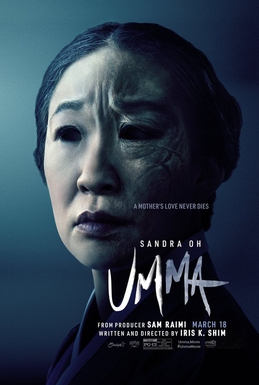
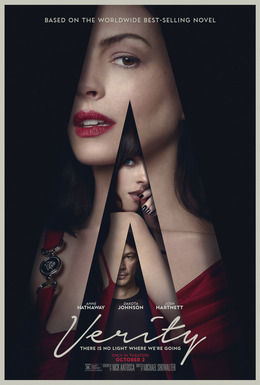
In order to continue watching films of the same thing, I selected Umma to be my next watch following Cuckoo and NightBitch. Sometimes… I hate being a thematic completionist.
Moms, Mummies, and Mothers
I’ve always been afraid that this ‘what’s the difference between these two pictures’ method of analyzing films will fall apart if the movies are too similar. Not today tho.
From an entertainment standpoint, Umma was the weakest of the bunch. Where Cuckoo excelled in its acting and cinematography, and Nightbitch lured you in with intrigue and a killer opening scene, Umma is relatively ho-hum. No hook, uninspiring visuals, and a theme was immediately clear as soon as it was introduced. I was on my phone about as quickly as I was with Cuckoo.
From a thematic and metaphoric perspective, Umma falls behind Cuckoo and far behind Nightbitch. The three films explore various perspectives of motherhood, each providing a different take on the struggles and rewards associated with the labor. The supernatural veneer of all three films served (or should have served) to provide an accessible translation of a concept that may be otherwise too complex or visually mundane to put to screen.
Nightbitch highlighted the invisible labor and toll motherhood can take, and how it can strip someone down to their most animalistic instincts. Cuckoo was loosely about how motherhood is about protection, and sometimes being protective of your baby involves murder- but also about how motherhood isn’t reserved for the biological mother (kinda?). Umma was about generational trauma and how it can unintentionally pass through you.
The Nun, The Mother, The Daughter
I’ve talked about this before, but the more complex the metaphor, the more intriguing the film. The more muddled the veneer, the more satisfying the ending. In horror-based films (and I’m not gonna explain what that term means), there’s a great excuse to use ghosts and devils to stand in for some sort of interpersonal or intrapersonal conflict. Solving the supernatural usually depends on solving the interpersonal issue. This is all basic enough that I can talk about it in the context of a James Wan movie.
So, it’s quite unfortunate that Umma was no better than something like Insidious. Admittedly, the disappointment is a personal problem, and not necessarily true in the context of films or this movie’s origins in general. But it wasn’t that great. Umma didn’t take any risks in its narrative or visuals, and the theme remained at the very obvious forefront of the film- which in turn made it hard to feel connected to the story and characters.

My biggest gripe with this film was the very lazy script. Very often the mother and daughter would begin a conversation, and the mother would stonewall the daughter. It was even more frustrating when the film itself would cut before a question could be answered. What truly should have and could have been a five minute conversation between mother and daughter was dragged out across this film. Of course, this is probably what also affected the surface-level theme of the film being so uncomplicated. Things could have been fixed or avoided with really simple conversation. Or hell, a single sentence:
“Mom, what’s with the box and that Korean man?”
“Oh, these are my estranged mother’s religious belongings. There’s a chance she’ll return as a vengeful spirit if we don’t do a simple send-off ceremony, but we’re pretty atheist, and my mom was pretty abusive.”
I can’t figure out why I hate to do this, but I think I have to rate Umma
BAD
Please feel free to convince me why it deserved a better rating. I watched this film on Hulu.





Leave a Reply